


Body
Longevity of body and brain: scientific technologies for extending healthy life
From about the age of 40, the risk of death doubles every 8 years. Modern geroscience measures healthspan rather than lifespan — and knows how to influence it.
- Published
- Reading time
- 24 min read
- Available in:
- UA · EN · ES
Learning Objectives
- Distinguish between lifespan and healthspan and explain why modern longevity science focuses on the latter.
- Trace a brief history of the science of aging — from early theories of longevity to modern geroscience.
- Describe the key biological mechanisms of aging according to the modern “hallmarks of aging” framework.
- Assess the evidence base for molecular body-longevity technologies: senolytics, geroprotective drugs, gene therapy, and biological-age biomarkers.
- Describe evidence-based digital technologies for preserving brain and cognitive function and their link to neuroplasticity.
- Examine the Bohush Longevity Watch methodology as an example of a comprehensive, practical approach to building a personal longevity program.
- Formulate critical caveats about the anti-aging market and practical criteria for the responsible use of longevity technologies.
Introduction
From around age 40, a person's risk of death doubles every 8 years. This pattern, known as the Gompertz law, was established as far back as 1825, and it still describes human mortality statistics with remarkable accuracy today. If it were possible to preserve the level of health a person had at 30–40 years of age, various estimates suggest this could allow a person to live past 120 years. This is not a piece of science fiction: today longevity has turned from a philosophical dream into a measurable, quantitative field of science — geroscience — which studies not simply “extending life” as such, but extending healthspan: the period during which a person retains physical independence, mental clarity, and psychological well-being.
The distinction between lifespan and healthspan is key to understanding everything described in this article. Medicine has long known how to extend lifespan, often at the cost of years lived in illness and dependence on others. The goal of modern longevity technologies is different: not simply to add years to life, but to add life to years. A healthy lifestyle combined with a set of modern medical procedures and adherence to individualized recommendations on nutrition, daily routine, and physical activity already allows, according to researchers' estimates, an average extension of active life by 5–8 years — and this is before accounting for any of the experimental molecular interventions described below.
In this article we will look in turn at a brief history of the science of aging, a modern map of the biological mechanisms of aging, evidence-based and experimental technologies for the longevity of the body and brain, and how these scientific directions can be combined into a single personal program — illustrated by the Bohush Longevity Watch (HLW) methodology.
From the Elixir of Immortality to Geroscience: A Brief History of Longevity
The search for ways to extend life is probably as old as medicine itself, but it became a science in the modern sense only a little over a hundred years ago. The Ukrainian and Russian biologist Ilya Mechnikov, winner of the 1908 Nobel Prize, introduced the very term “gerontology” into scientific use at the start of the 20th century and developed the concept of “orthobiosis” — a consciously organized way of life capable of extending active longevity; he was also among the first to link aging to chronic processes in the gut, anticipating today's interest in the microbiome.
The first truly controlled experiment in the science of aging was conducted in the 1930s by Clive McCay and colleagues, who showed that restricting dietary calories without malnutrition significantly extends the life of laboratory rats — an observation that remains one of the most reproducible phenomena in geroscience to this day. In 1961, American anatomist Leonard Hayflick, together with Paul Moorhead, experimentally disproved the belief that human cells can divide indefinitely: they showed that normal human cells undergo a limited number of divisions before entering a state of irreversible growth arrest — a phenomenon that came to be known as the “Hayflick limit” and launched the study of cellular senescence.
In the 1980s–1990s, researchers discovered a molecular mechanism that partly explains the Hayflick limit: the enzyme telomerase and the role of telomeres — protective “caps” at the ends of chromosomes that shorten with each cell division. For discovering this mechanism, Elizabeth Blackburn, Carol Greider, and Jack Szostak received the 2009 Nobel Prize. In parallel, geneticist Cynthia Kenyon showed in the roundworm Caenorhabditis elegans that a single mutation in the daf-2 gene could double the animal's lifespan — a discovery that first convincingly demonstrated that aging is regulated not merely by the random accumulation of damage, but also by conserved genetic programs shared across very different species.
In 2006–2012, Japanese researcher Shinya Yamanaka showed that introducing four specific factors (the so-called Yamanaka factors) could return mature, specialized cells to a state resembling an embryonic one — a discovery for which he received the 2012 Nobel Prize. It was on the basis of this technology that the idea later emerged of partially “rejuvenating” cells without full reprogramming, an approach advanced today, among others, by David Sinclair of Harvard Medical School. Another milestone was the work of Darren Baker and colleagues (2011), who showed in mice that selectively removing senescent cells slows the development of several age-related pathologies — a study that laid the foundation for an entire class of drugs now known as senolytics. Finally, in 2013 and again in 2023, Carlos López-Otín's group systematized the accumulated knowledge into the “hallmarks of aging” — a framework that remains the primary map for navigating this field to this day.
Biological Mechanisms of Aging: A Modern Map
The most influential modern systematization of aging mechanisms belongs to Carlos López-Otín and colleagues, who last updated it in 2023 in the journal Cell. The authors identify twelve interrelated “hallmarks of aging”, grouped into three categories. Primary hallmarks are the root causes of damage: genomic instability, telomere attrition, epigenetic alterations (loss of the “correct” pattern of gene activity), and disabled proteostasis (the cell's ability to maintain the correct protein structure), to which the authors added disabled autophagy — the process of “recycling” cellular waste — in the 2023 update.
Antagonistic hallmarks are compensatory responses that initially mitigate damage but eventually become harmful themselves: deregulated nutrient sensing (for example, the mTOR and insulin/IGF-1 signaling pathways), mitochondrial dysfunction, and cellular senescence — a state in which a damaged cell stops dividing but does not die, and instead begins secreting pro-inflammatory molecules, the so-called SASP (senescence-associated secretory phenotype). Finally, integrative hallmarks are the consequences that arise once the first two categories accumulate: stem cell exhaustion, altered intercellular communication, the chronic, low-grade inflammation researchers call inflammaging, and dysbiosis of the gut microbiome. These twelve mechanisms are the targets for virtually all modern body-longevity technologies described below: none of them “cures” a specific disease; instead, each attempts to slow one or more shared biological processes that underlie dozens of age-related diseases at once.
Scientific Technologies for Body Longevity
Senolytics and Senomorphics
Senolytics are compounds that selectively induce apoptosis (death) in senescent cells, while senomorphics suppress their inflammatory secretory activity (SASP) without killing the cells themselves. The former include dasatinib (usually combined with quercetin), fisetin, navitoclax, and the peptide FOXO4-DRI; the latter include rapamycin (an mTOR inhibitor), JAK inhibitors such as ruxolitinib, and metformin. A review by James Kirkland and Tamara Tchkonia (2020) summarizes the evidence: clearing senescent cells in mice consistently improved the course of more than 70 age-related conditions — from atherosclerosis to osteoarthritis and lung fibrosis. In humans, effects so far appear far more modest than in rodents, and rapamycin, metformin, and ruxolitinib are already approved by regulators for other indications, which makes it easier to re-test them as longevity agents — though this does not by itself confirm efficacy against aging.
Pharmacological Geroprotectors: Rapamycin, Metformin, and TAME
Particular attention is being paid to drugs originally developed for other purposes that are now being studied as geroprotectors. In a study by Joan Mannick and colleagues (2014), published in Science Translational Medicine, a low dose of an mTOR inhibitor improved the immune response to vaccination in older adults — one of the first direct pieces of evidence that a pharmacological intervention in the aging mechanism can improve immune function in an elderly person. In parallel, endocrinologist Nir Barzilai and colleagues are advancing the large-scale TAME trial (Targeting Aging with Metformin), whose goal is to test for the first time in humans the hypothesis that metformin — a drug used for decades to treat type 2 diabetes — can slow not a single disease but a whole cluster of age-related diseases simultaneously. This trial is often called a landmark precisely because it attempts to change the regulatory approach to clinical trials themselves — to recognize “aging” as a treatment target in its own right, rather than merely the sum of separate diagnoses.
Gene Therapy and Epigenetic Reprogramming
The most experimental direction is the partial “reprogramming” of age-related epigenetic changes in the cell using the Yamanaka factors. In a landmark paper by Yuancheng Lu, Benedikt Brommer, David Sinclair, and colleagues (2020, Nature), partial activation of three of the four Yamanaka factors restored the capacity for regeneration of damaged optic nerve neurons and partially restored lost vision in old and injured mice — without fully “resetting” the cell to an embryonic state, which the researchers specifically sought to avoid because of the risk of losing cell identity. Building on this work, the Boston-based startup Life Biosciences launched the first human clinical trial of the drug ER-100 in patients with glaucoma: a modified virus delivers genes whose activity is controlled by the antibiotic doxycycline, allowing the “reprogramming” to be switched on and off and its duration limited. The researchers openly acknowledge the main risk of this approach — uncontrolled reprogramming could theoretically provoke abnormal cell growth and tumor development, which is why safety, not just efficacy, is the key criterion at this stage of research.
Biomarkers of Biological Age and Digital Monitoring
A separate, and methodologically extremely important, direction in longevity technology is not intervention but measurement. In 2013, Steve Horvath (Genome Biology) proposed the first “epigenetic clock” — a statistical model that estimates a person's biological age from DNA methylation patterns at hundreds of sites across the genome; improved later generations of such clocks (GrimAge, PhenoAge, DunedinPACE) followed, capable of predicting mortality and age-related disease risk more accurately than chronological age. Such biomarkers are, in essence, the only way to check whether a given lifestyle or drug is truly slowing aging in a human being, rather than merely in a laboratory animal. Combined with wearable devices and artificial intelligence algorithms, biological-age biomarkers are increasingly used for personalized recommendations on sleep, exercise, and nutrition, turning longevity from a one-off intervention into a process of continuous monitoring and adjustment.
Technologies for Preserving Brain and Cognitive Function
Computerized Cognitive Training
The most convincing evidence to date that a short course of digital brain training can delay dementia for decades comes from a study by Norma Coe, Katherine Miller, Chuxuan Sun, and colleagues (2026, Alzheimer's & Dementia: Translational Research & Clinical Interventions), which analyzed data from 2,021 participants in the classic randomized ACTIVE trial spanning 1999–2019. Participants who underwent speed-of-processing training (computerized exercises in rapidly spotting visual details and completing increasingly complex tasks in less time) over 5–6 weeks, about half of whom received additional “booster” sessions at 11 and 35 months, had a 25% lower risk of diagnosed dementia: 40% versus 49% in the control group. This was the only one of the three interventions tested (alongside memory training and reasoning training using fixed strategies) whose protective effect persisted for up to 20 years — and it is the first randomized study to demonstrate such a long-lasting preventive effect from a brief course of digital training.
Comprehensive Digital Brain-Health Platforms
Another compelling example is the BrainHealth Project — a three-year prospective study of 3,966 adults aged 19 to 94, whose results Loreen Cook, Jan Spence, Zhuo Chang, and colleagues published in 2026 in Scientific Reports. Brain health was measured using the BrainHealth Index (BHI), covering three dimensions: mental clarity (Clarity), social engagement (Connectedness), and emotional balance (Emotional Balance). Over 36 months, consistent improvement was observed across all three dimensions regardless of baseline level, age, gender, or education, and the magnitude of the effect correlated directly with the level of engagement with the program: highly engaged participants showed significantly greater gains, while those who barely used the tools showed no meaningful change. The researchers state plainly that the brain is capable of “getting into shape” at any age, and that cognitive decline is not an inevitable consequence of aging itself.
Neuroplasticity and Lifestyle
Both studies described above work precisely because they rely on a fundamental property of the brain — neuroplasticity, the brain's capacity to physically restructure its neural connections in response to experience and exertion throughout life. Regular physical activity, adequate sleep, balanced nutrition, and sustained social engagement remain the foundation of neuroplasticity regardless of whether a person uses specialized digital programs — the mechanisms of this process, including the role of brain-derived neurotrophic factor (BDNF), synaptic plasticity, and adult neurogenesis, are examined in detail in another article from this academy, “Neuroplasticity: The Science of the Brain's Remarkable Flexibility”.
Practical Application: The Bohush Longevity Watch Methodology
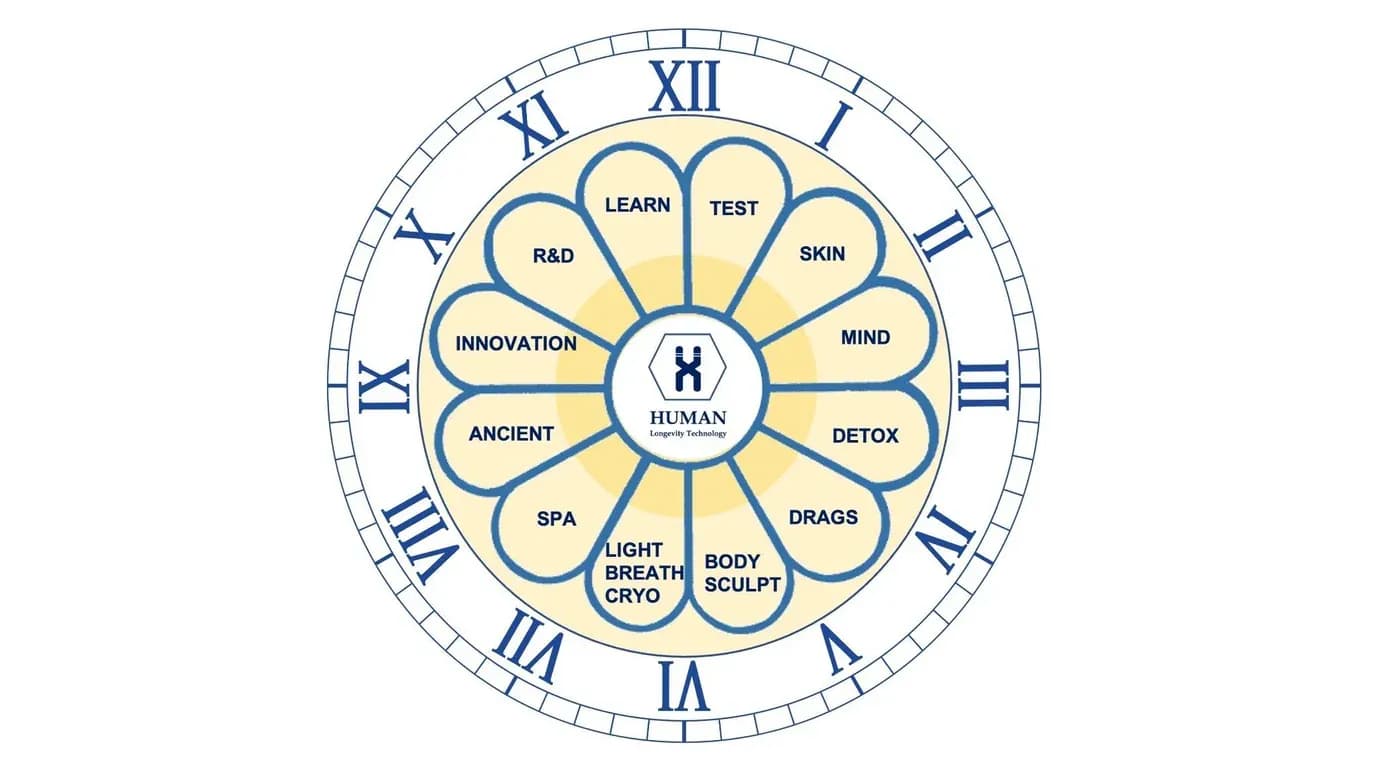
The scientific directions described above — molecular interventions, biomarkers, and digital brain technologies — do not, on their own, add up to a personal action plan: every person needs an individualized plan that takes into account their specific state of health, lifestyle, and goals. One example of such integration is the Bohush Longevity Watch (HLW) method, developed as part of the HUMAN Longevity Technology project: a comprehensive method for building an individual longevity program for a client based on the collection and analysis of biometric data, including through the use of artificial intelligence.
The full cycle of the method encompasses 12 directions and a unique set of techniques — from diagnostics covering around 2,000 indicators to specific personal life-extension programs designed by leading physicians. The method's target audience is healthy, successful people who care about their health and want to extend their lives: men aged 45+ and women aged 35+. Below is a brief description of each of the 12 directions and its connection to the scientific technologies discussed above.
TEST. several types of laboratory and functional diagnostics of the state of human organs and systems (around 2,000 indicators), the compilation of an integrated health passport, and monitoring of physiological indicators throughout life — the practical application of the biological-age biomarkers and digital monitoring discussed above.
SKIN. monitoring the condition of the skin (elasticity, wrinkles, tone), cosmetology procedures, “beauty injections”, plastic surgery, as well as monitoring, care, and treatment of the skin's condition over time using specialized equipment.
MIND. work with consciousness, the state of mind, and emotions: anti-stress techniques, relaxation, floatation therapy, electrosleep, meditation, sound and music therapy, psychotherapy, and hypnosis, as well as exercises for preserving memory and mental clarity — a direction that builds on the cognitive training and neuroplasticity discussed above.
DETOX. the regimen and quality of clients' nutrition, programs for cleansing the gastrointestinal tract of toxins and cleansing the blood, individualized nutrition programs from dietitian physicians, therapeutic fasting, and detox programs.
MEDICINES. individualized selection from more than 1,000 agents in the field of longevity medicine, anti-aging, and biohacking: supplements, medications, immunotherapy, cell and gene therapy, vitamins, and trace elements — a direction that puts into practice the senolytic, geroprotective, and gene-therapy approaches discussed above, provided there has been prior high-quality diagnostic assessment of the body's condition.
BODY SCULPT. active work with the body: physical exercise, aerobic and anaerobic training, exercises for muscle and fat tissue, work with the spine, fitness programs, and individualized long-term training programs with monitoring of physiological indicators.
LIGHT BREATH CRYO. equipment-based effects on the body using light, temperature, breathing-gas mixtures, and electromagnetic radiation: light therapy, infrared therapy, hyperbaric therapy, cryotherapy (−60 and −120 °C), Bioptron therapy, and other techniques.
SPA. treatment and prevention through water procedures (pools, 15 types of saunas), as well as massage (10 types), scrubs, phytotherapy, aromatherapy, physiotherapy, salt rooms, and ice rooms.
ANCIENT. traditional and non-traditional medicine and diagnostic approaches from ancient healing systems — primarily Indian, Chinese, Tibetan, Japanese, and Korean medicine: Ayurveda, acupuncture, qigong, tai chi, moxibustion therapy, Su Jok, and yoga, from which individualized “longevity recipes” are selected.
INNOVATION. the most advanced technical developments in longevity medicine: chips, nanorobots, mobile applications, and new hardware solutions for diagnosis, prevention, and treatment.
R&D. the project's own scientific research and development in longevity medicine, biohacking, and anti-aging programs, spanning biology, psychophysiology, genetic engineering, and pharmaceutics.
LEARN. engaging authoritative international specialists, training clients and physicians, seminars, presentations, conferences, and symposia — turning the project into an international platform for exchanging the best ideas in the field of longevity.
Limitations, Risks, and a Critical View
A balanced view of longevity technologies must include their limitations. Effects convincingly demonstrated in mice — from senolytics to partial epigenetic reprogramming — still appear far more modest in humans, and translating results from model animals to humans remains one of the biggest methodological challenges in geroscience. Approaches based on activating the Yamanaka factors require especially careful oversight because of the theoretical risk of oncogenesis: uncontrolled cellular reprogramming could lead to loss of cell identity and abnormal growth. Interventions in the brain and cognitive function have a longer history of randomized trials, but their effect depends heavily on the participant's level of engagement — no digital program works on its own, without genuine, sustained use.
This applies directly to comprehensive personal programs such as Bohush Longevity Watch: the value of such a program is determined not by the number of directions it covers, but by the quality of its diagnostics, the qualifications of the medical team providing supervision, and a transparent distinction between evidence-based methods and experimental approaches. An additional challenge is accessibility and cost: most of the approaches discussed remain unavailable outside clinical trials or specialized centers, and the rapid growth of the global anti-aging market is accompanied by a large number of unproven commercial products. No reputable scientific institution today describes any single longevity technology as a “panacea” or a “pill against aging” — and this is not a reason to abandon the field, but a necessary condition for its responsible and safe development.
How to Evaluate a Longevity Technology and Apply It in Practice
For those considering various longevity technologies for themselves, it is worth being guided by several practical criteria:
- Favor approaches with an evidence base in humans, not only in laboratory animals, and check what stage of clinical trials a particular drug or method has reached.
- Start with high-quality diagnostics and objective biomarkers (including biological age), rather than haphazardly chosen supplements or procedures.
- Treat pharmacological and genetic interventions as a complement to evidence-based behavioral factors — sleep, nutrition, physical activity, social engagement — not as a replacement for them.
- Be wary of promises of a “guaranteed” result, a “single device”, or an “elixir of immortality”: the systemic nature of aging means that no single intervention solves the problem on its own.
- Choose specialists and centers with medical qualifications and a transparent methodology who are willing to clearly distinguish evidence-based from experimental components of a program.
- Treat a personal longevity plan as a process of continuous monitoring and adjustment, not a one-time course of procedures.
Conclusion
As of 2026, the science of longevity has definitively moved from philosophical musings about an “elixir of immortality” to a measurable, quantitative geroscience with a clear map of aging mechanisms, specific molecular targets, and randomized clinical trials. Technologies for the longevity of body and brain are developing along two complementary tracks: biological interventions (senolytics, geroprotectors, gene therapy with epigenetic reprogramming) aim to slow the twelve hallmarks of aging, while digital and behavioral technologies (adaptive cognitive training, brain-health monitoring platforms) directly support mental and cognitive function by drawing on the brain's neuroplasticity. The Bohush Longevity Watch methodology shows how these scientific directions can be combined into a single personal system of 12 directions — from in-depth diagnostics (TEST) and work with the mind (MIND) to pharmacological and genetic approaches (MEDICINES) and education (LEARN). The most well-founded strategy today for preserving the health of body and brain is not a single technology, but their combination: evidence-based behavioral interventions starting now, personalized monitoring of biological age, measured optimism about pharmacological and genetic approaches currently in clinical trials, and a critical stance toward the unproven commercial promises of the longevity industry.
External Resources
- David A. Sinclair, “Lifespan: Why We Age — and Why We Don't Have To” — a popular-science account of the information theory of aging from one of the field's leading researchers.
- Peter Attia, “Outlive: The Science and Art of Longevity” — a physician's practical perspective on preventive longevity medicine.
- Valter Longo, “The Longevity Diet” — on the role of nutrition and intermittent fasting in longevity, based on the author's own research.
- National Institute on Aging (NIA, US), materials on geroscience and the hallmarks of aging — an official popular-science overview for a general audience.
- Denis Bohush, “How to Live to 120, or Modern Longevity Technologies” // BusinessWoman, Spring 2022 — a description of the Bohush Longevity Watch methodology and the HUMAN Longevity Technology project.
- Denis Bohush, “Brain Training: Improving Memory, Developing Consciousness, Prevention of Cognitive Disorders” — a practical guide to brain-training exercises that complements the MIND direction of the HLW method.
Discussion Questions
- Why does the distinction between lifespan and healthspan matter when evaluating any longevity technology you encounter in the media or in advertising?
- Kenyon's research on C. elegans showed that a single mutation can double a worm's lifespan. Why can't such a result in a simple organism be automatically extrapolated to humans?
- Why is the TAME clinical trial, which targets “aging” itself rather than a single disease, considered methodologically groundbreaking for the regulatory healthcare system?
- What specific risks make epigenetic reprogramming technologies (based on the Yamanaka factors) more challenging for clinical application than, say, senolytics?
- Why do the ACTIVE researchers emphasize that it was specifically adaptive speed-of-processing training, rather than memory or reasoning training, that produced a 20-year protective effect against dementia?
- How can the principle that “the quality of diagnostics and medical supervision matters more than the number of directions” be applied to evaluating any comprehensive wellness or anti-aging program offered to you?
- If you were designing your own personal longevity program for the next five years, which three evidence-based steps would you start with, and why those three?
Glossary of Terms
Healthspan — the period of life during which a person retains physical independence, mental clarity, and psychological well-being, as distinct from lifespan — the total length of life.
Geroscience — an interdisciplinary field of science that studies the biological mechanisms of aging as the shared root cause of most age-related diseases.
Hallmarks of aging — a classification of twelve interrelated molecular and cellular mechanisms of aging, proposed by Carlos López-Otín and colleagues (2013, 2023).
Cellular senescence — a state in which a damaged cell stops dividing but does not die, and begins secreting pro-inflammatory molecules (SASP).
SASP (senescence-associated secretory phenotype) — the set of pro-inflammatory molecules secreted by senescent cells, contributing to chronic tissue inflammation.
Senolytics — compounds that selectively induce apoptosis (death) in senescent cells.
Senomorphics — compounds that suppress the inflammatory secretory activity of senescent cells without killing the cells themselves.
Hayflick limit — the limited number of divisions that normal human cells can undergo before entering a state of senescence.
Yamanaka factors — four proteins (Oct4, Sox2, Klf4, c-Myc), partial activation of which can return mature cells to a state resembling an embryonic one, or partially restore a “youthful” epigenetic pattern without a full loss of cell identity.
Epigenetic clock — a statistical model (first proposed by Steve Horvath, 2013) that estimates a person's biological age from DNA methylation patterns.
Inflammaging — the chronic, low-grade inflammation that accumulates with age and contributes to the development of most age-related diseases.
mTOR — an intracellular signaling pathway that regulates cell growth in response to nutrient availability; its inhibition (including by rapamycin) has been linked to extended lifespan in model organisms.
Bohush Longevity Watch (HLW) — a comprehensive method for building an individualized longevity program across 12 directions, developed as part of the HUMAN Longevity Technology project.
Sources and Recommended Reading
- López-Otín, C., Blasco, M. A., Partridge, L., et al. Hallmarks of aging: An expanding universe. Cell, 186(2), 2023, 243–278.
- Hayflick, L., Moorhead, P. S. The serial cultivation of human diploid cell strains. Experimental Cell Research, 25, 1961, 585–621.
- Horvath, S. DNA methylation age of human tissues and cell types. Genome Biology, 14, 2013, R115.
- Kirkland, J. L., Tchkonia, T. Senolytic drugs: from discovery to translation. Journal of Internal Medicine, 288(5), 2020, 518–536.
- Mannick, J. B., Del Giudice, M., Lattanzi, M., et al. mTOR inhibition improves immune function in the elderly. Science Translational Medicine, 6(268), 2014, 268ra179.
- Lu, Y., Brommer, B., Tian, X., et al. Reprogramming to recover youthful epigenetic information and restore vision. Nature, 588(7836), 2020, 124–129.
- Coe, N. B., Miller, K. E. M., Sun, C., et al. Impact of cognitive training on claims-based diagnosed dementia over 20 years: evidence from the ACTIVE study. Alzheimer's & Dementia: Translational Research & Clinical Interventions, 2026.
- Cook, L. G., Spence, J. S., Chang, Z., et al. Measuring and increasing the brain health span across adulthood: a public health imperative. Scientific Reports, 16, 2026, article 20415.
- Bohush, D. Yak prozhyty 120 rokiv, abo suchasni tekhnolohiyi dovholittya [How to Live to 120, or Modern Longevity Technologies]. BusinessWoman, Spring 2022, pp. 88–89.
- Bohush, D. Brain Training: Improving Memory, Developing Consciousness, Prevention of Cognitive Disorders. Bohush Neuro Academy, 2025.
About the Author

Dr. Denis Bohush
Neurologist, neuropsychologist, author of the metahypnosis concept, military expert
Denis Bohush is a neurologist, neurophysiologist, head of the HUMAN Longevity Technology project, and founder of the educational project Bohush Neuro Academy, dedicated to popularizing neuroscience, geroscience, and evidence-based methods for preserving the health of body and brain. He is the author of the Bohush Longevity Watch methodology and of the book “Brain Training: Improving Memory, Developing Consciousness, Prevention of Cognitive Disorders”.
- Kyiv Medical University — qualified as a neurologist
- Yale University (USA) — training in psychology
- Military Institute, Taras Shevchenko National University of Kyiv — training in psychology
How to cite
APA
Bohush, D. (2026). Longevity of body and brain: scientific technologies for extending healthy life. Bohush Neuro Academy. https://bohushneuro.com/en/blog/dovholittya